
How Small Acts of Kindness Make a Big Impact.
Introduction
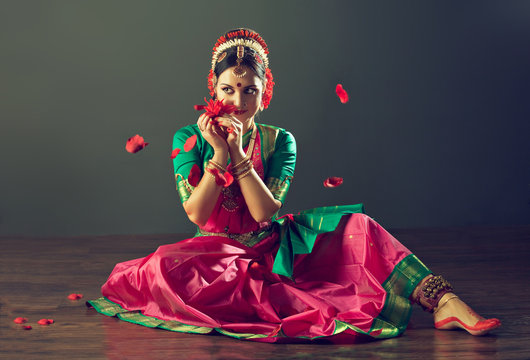
Kuchipudi, a mesmerizing classical dance form from India, seamlessly blends grace, rhythm, and storytelling. Originating in the village of Kuchipudi in Andhra Pradesh, this dance style is a cultural treasure that embodies India’s artistic and spiritual ethos. In this blog, we explore the history, traditions, and evolving culture surrounding Kuchipudi, offering insights into why it continues to enchant audiences worldwide.
1. The Origins and History of Kuchipudi
Kuchipudi traces its roots to the 17th century, credited to the visionary scholar Siddhendra Yogi. He formalized the art form to promote devotional storytelling, initially performed only by male Brahmin practitioners. The dance-drama Bhama Kalapam, depicting the tale of Goddess Satyabhama, remains a cornerstone of Kuchipudi’s repertoire. Over time, it evolved into a solo performance art embraced by dancers of all genders.
2. Spiritual and Mythological Roots
Kuchipudi is deeply intertwined with Hindu mythology. Performances often narrate epics like the Mahabharata, Ramayana, and tales of deities like Krishna and Shiva. The dance serves as a medium to express devotion (bhakti), with movements symbolizing the union of the soul with the divine. This spiritual essence makes Kuchipudi not just entertainment but a sacred ritual.
3. Key Elements of Kuchipudi Dance
Natya (Drama)
Kuchipudi is renowned for its dramatic flair. Dancers embody characters through expressive dialogues (abhinaya), intricate costumes, and vivid makeup, creating a visual and emotional spectacle.
Nritta (Pure Dance)
Dynamic footwork, geometric patterns, and rhythmic sequences define nritta. The signature tarangam—dancing on a brass plate—showcases balance and precision.
Nritya (Expressive Dance)
Through mudras (hand gestures) and facial expressions, artists convey complex emotions and stories, making mythology accessible to all.
Music and Instruments
Carnatic music forms the backbone, accompanied by instruments like the mridangam (drum), veena (string instrument), and flute. The melodic interplay elevates the dance’s spiritual aura.
4. The Guru-Shishya Parampara
Kuchipudi thrives on the ancient guru-shishya (teacher-disciple) tradition. Rigorous training under a master ensures the preservation of techniques and philosophies. Institutions like the Kuchipudi Art Academy in Hyderabad continue this legacy, nurturing future generations.
5. Kuchipudi in Modern Times
Today, Kuchipudi transcends cultural boundaries. Dancers like Raja-Radha Reddy and Yamini Reddy have popularized it globally, while fusion experiments blend it with contemporary styles. Social media and digital platforms further amplify its reach, making it a dynamic, living art.
6. Experiencing Kuchipudi: Festivals and Performances
Immerse yourself in Kuchipudi at festivals like Andhra Pradesh’s Brahmotsavam or the annual Kuchipudi Dance Festival in Vijayawada. Major cities like Chennai and Delhi also host performances, offering a glimpse into its magic. For enthusiasts, online workshops by institutions like Natyarangam provide accessible learning opportunities.
7. Conclusion: Preserving the Legacy
Kuchipudi’s rich culture is a testament to India’s artistic heritage. By supporting academies, attending performances, and encouraging young learners, we ensure this timeless dance form thrives for centuries. Whether you’re a dance aficionado or a curious explorer, Kuchipudi invites you to witness the harmony of body, mind, and spirit.
Ready to explore Kuchipudi? Share this blog with fellow art lovers, or check out our guide on [other Indian classical dances] to deepen your cultural journey!
Maybe You Like

Lorem ipsum dolor sit amet, consectetur adipiscing elit.
- Hello@Email.co
- +44 123 456 789